
How to Backup USB Drives and Restore Them, Bootable State and every one

Do you keep a bootable USB drive handy? perhaps you continue to have the USB drive that you just last accustomed to installing Windows or any of the opposite bootable thumb drives that you have remodeled the years? Since we have a tendency to solely tend to stay some USB drives obtainable, we have a tendency to tend to write the contents of Windows installation media and therefore the like when one use.
In the case of Windows ten, unless you saved AN ISO of the software rather than creating a USB installation drive with Microsoft's media creation tool, or still have your USB drive organized, you'll seemingly have to be compelled to redownload the whole OS consequent time you wish the installation files on a bootable drive.
Intending to avoid wasting time and energy on consequent landing approach, we have a tendency to wanted strategies to preserve a certain copy of bootable USB drives that can be repaired from a computer file once required.
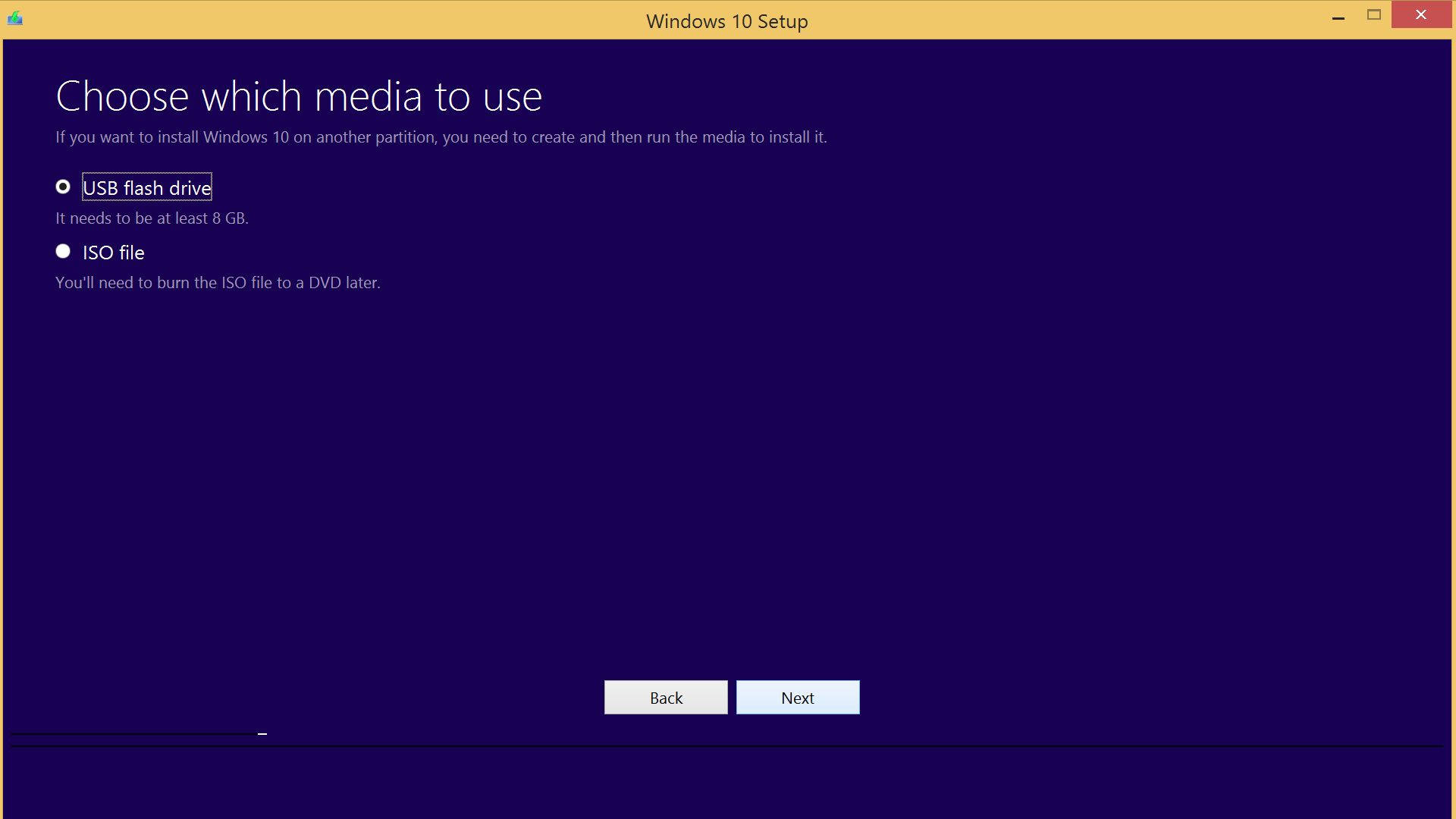
Having not cloned a bootable USB drive before, the operation looked like one thing that would be accomplished from an electronic communication or elsewhere around Windows.
However, whereas Windows ten includes a totally interfaced feature for creating backup pictures of the software, we have a tendency to could not notice any thanks to producing a picture file of a USB drive.
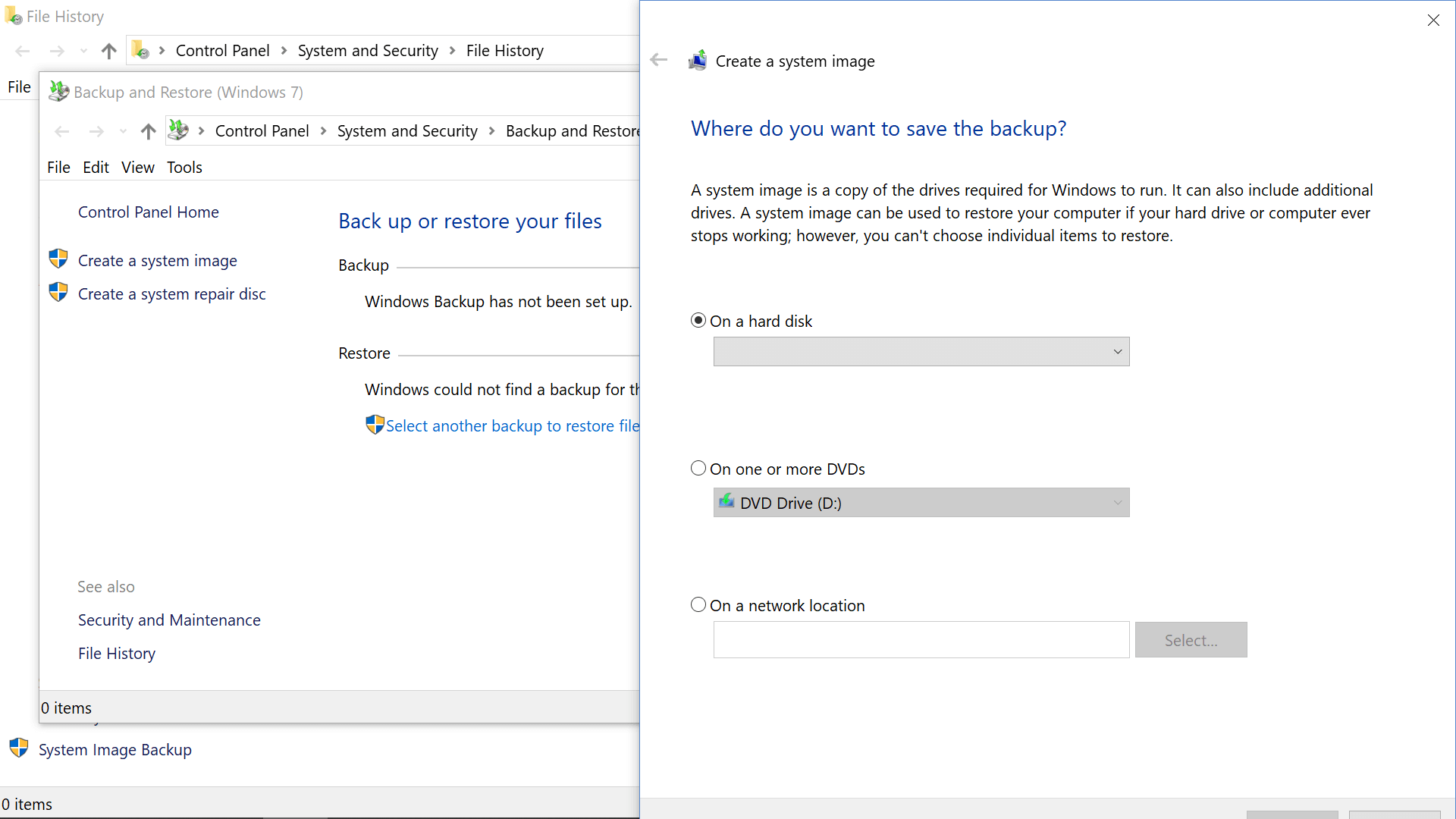
Although we have a tendency to were seeking a straightforward program line or native graphical user interface wizard to make a full image backup of a bootable USB drive, we have a tendency to were happy to get many light-weight tools that may get the task done, together with one that you just may have already got put in for creating boot drives within the initial place like Rufus.
We conjointly learned that within the case of a Windows ten installation USB drive, you'll be able to merely copy all of the setup files from the thumb drive to a different destination, then copy them back, and still have a bootable installation media. a lot of on this later...
The ability to form backup pictures of bootable USB drives appears notably helpful for testing many moveable operative systems, like 'Windows To Go' or any of the varied UNIX operating system distros, and that we would love to explore pen drive platforms during a future article.
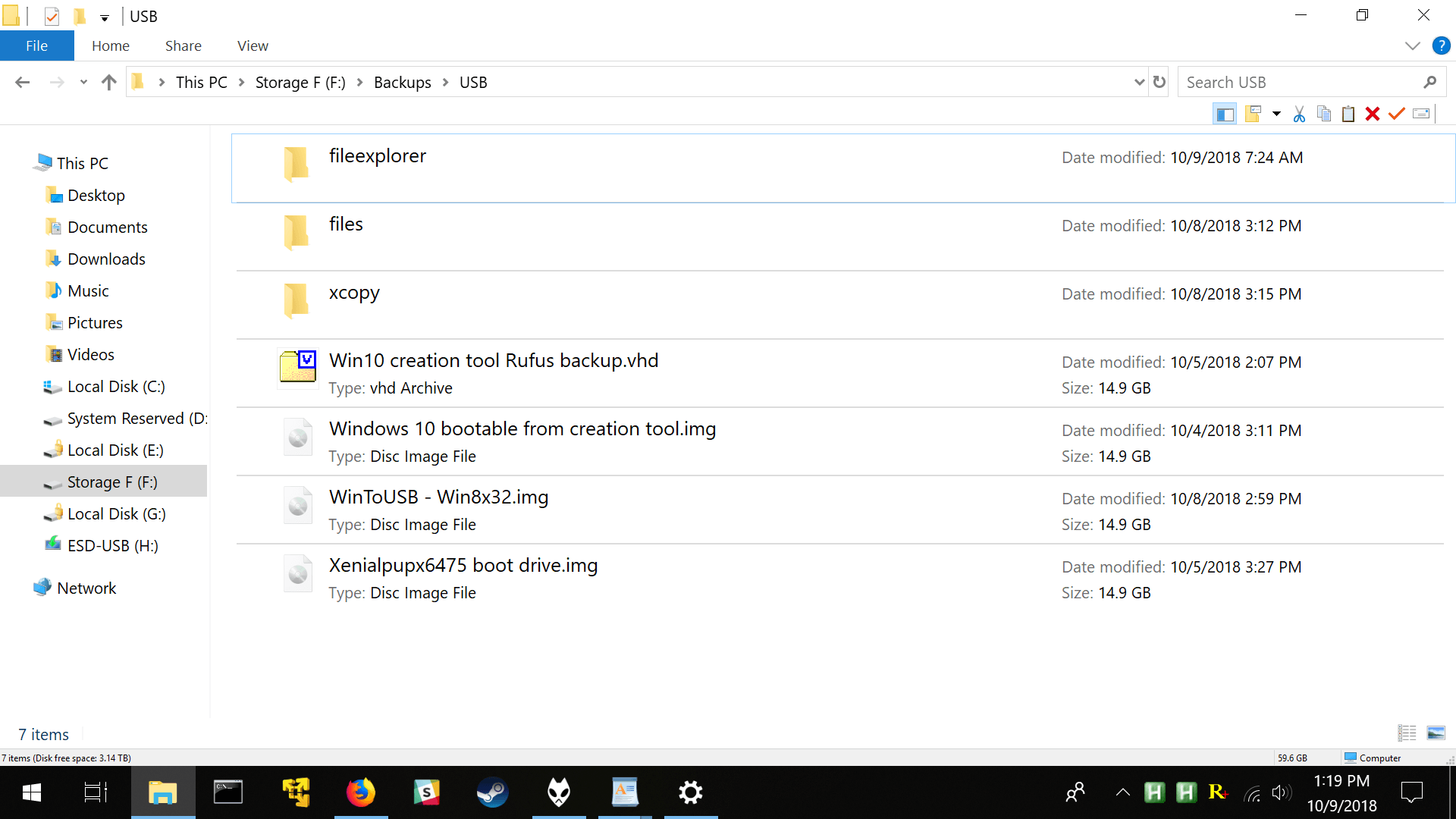
While the utilities we'll be covering area unit particularly relevant for backing up bootable USB drives or those with multiple partitions, they'll are available in handy any time that you just would love to clone one USB drive to a different or write your drive and simply restore the contents.
USB drives pictures which may be valued storing
- The full installation media for Windows ten (or your operative system)
- Windows to travel or another moveable OS (thanks to browsing drives/files and therefore the internet)
- A separate recovery drive/classic boot CDs like Hiren's, or individual tools for partitioning/cloning drives, countersign recovery, malware cleanup etc.
- Side note: If you have got AN ISO of Windows, you'll be able to produce a transportable OS drive with WinToUSB (MS recommends 32GB to travel drives)
Tools that may produce backup pictures of USB drives
While making and restoring USB image files has some conveniences over manually repetition the information via File human, note that the backup image can contain a sector-by-sector copy of your entire drive, that the ensuing file size is the whole capability of the drive, regardless of what proportion knowledge is on the device.
For instance, backup pictures of Windows ten and XenialPup seven.5 each occupied fourteen.9GB on our storage drive and took an identical quantity of your time to revive on the USB drive, despite the previous OS containing several gigs of knowledge and therefore the latter having but 0.5 a computer memory unit.
If you'd value more highly to produce a picture file that is nearer to the dimensions of the content on the device rather than the whole drive capability, try and use the tiniest thumb drive attainable for making the bootable media throughout the backup method. therefore if your boot media wants around 4GB of an area, use a 4GB flash drive to make the backup image, which may be repaired to a bigger drive later whereas maintaining token storage needs.
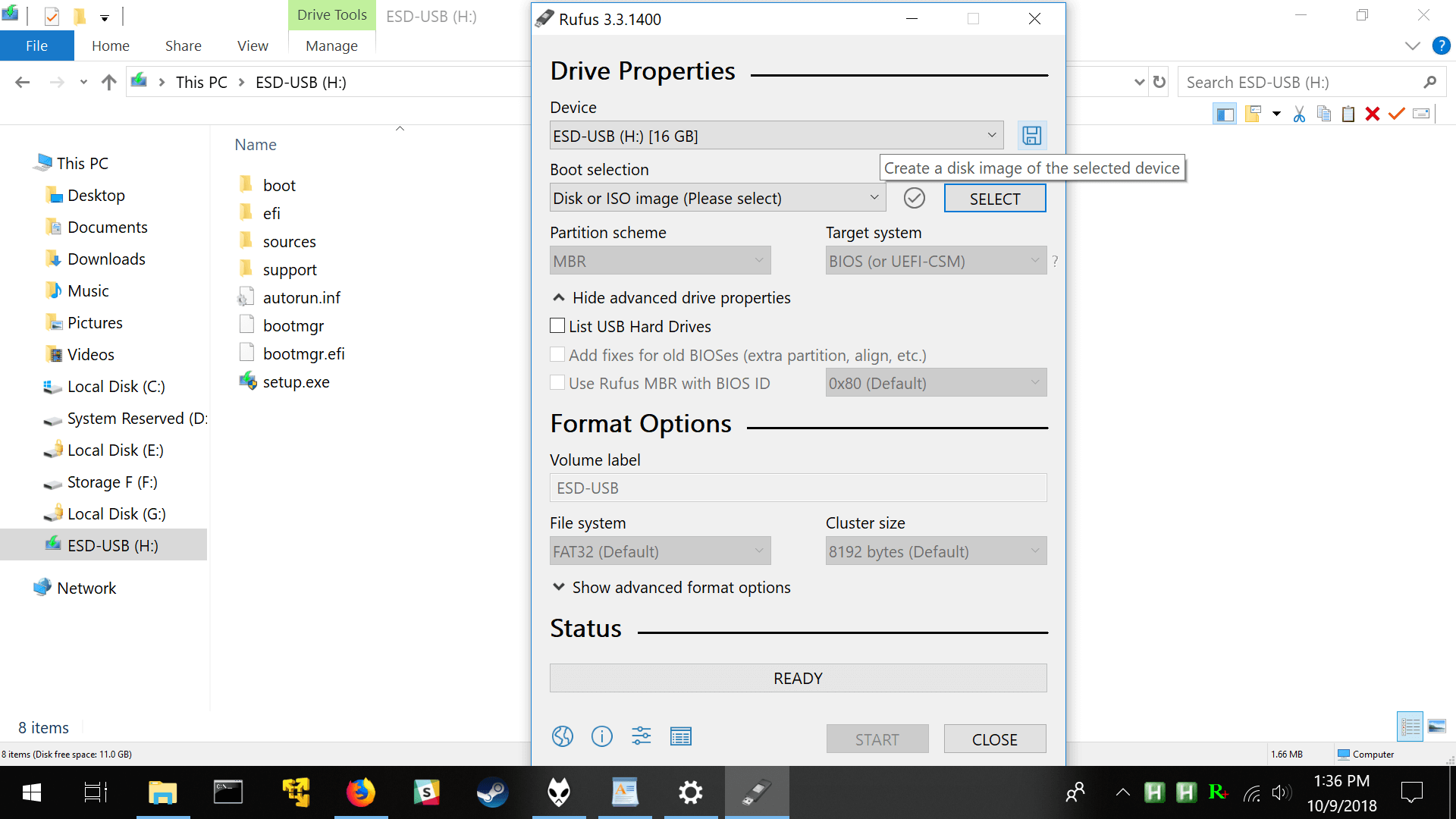
As mentioned earlier, Rufus is put in on several machines -- over 640,000 downloads on TechSpot alone as of writing -- and could be the foremost convenient possibility for creating backup pictures of removable drives. though the feature is well displayed, we have a tendency to did not understand it was there still acting on this text.
Clicking the save icon next to the listed device up prime can allow you to produce a VHK computer file of the drive ANd this image is repaired later by choosing the VHK file rather than an ISO.
Other applications for creating USB drive backups
Our prime recommendation goes to imageUSB by PassMark for having the most effective overall interface (cleanly displays innumerable relevant information/options at once) and for merely functioning the most effective.
The software package acknowledges multiple drive partitions, that is one in every of the most reasons you'd need to image a USB drive nevertheless a number of the opposite tools cannot produce one computer file containing 2 partitions.
ImageUSB lists support for .bin, .iso and .img files, however, the utility {can conjointly|also can|can even|may also|may} handle the VHK backup that Rufus outputs (you could also be prompted regarding your drive being AN deficient capability once restoring a VHK, however, you'll be able to force the operation -- also inconceivable in a number of the opposite software).
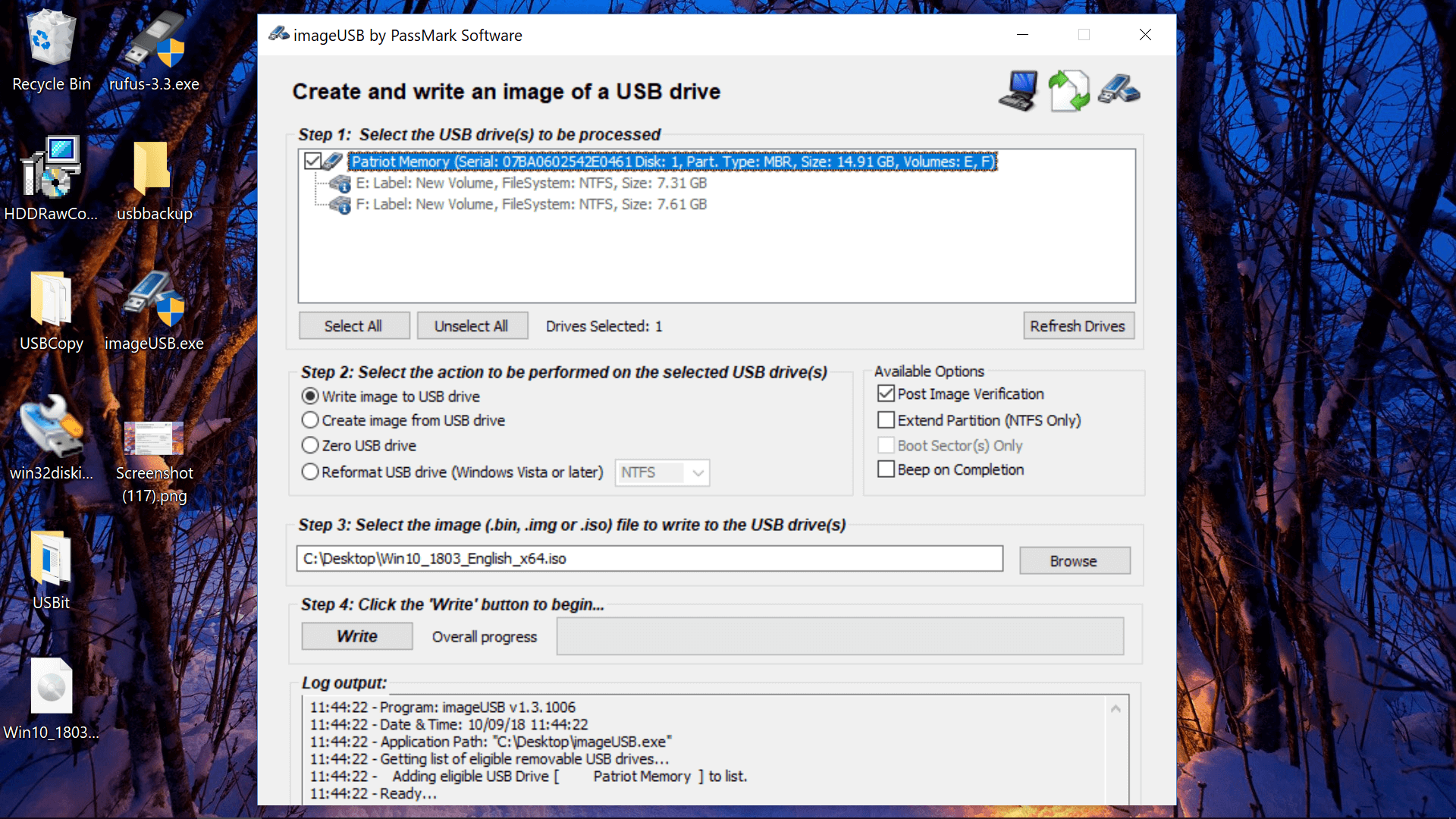
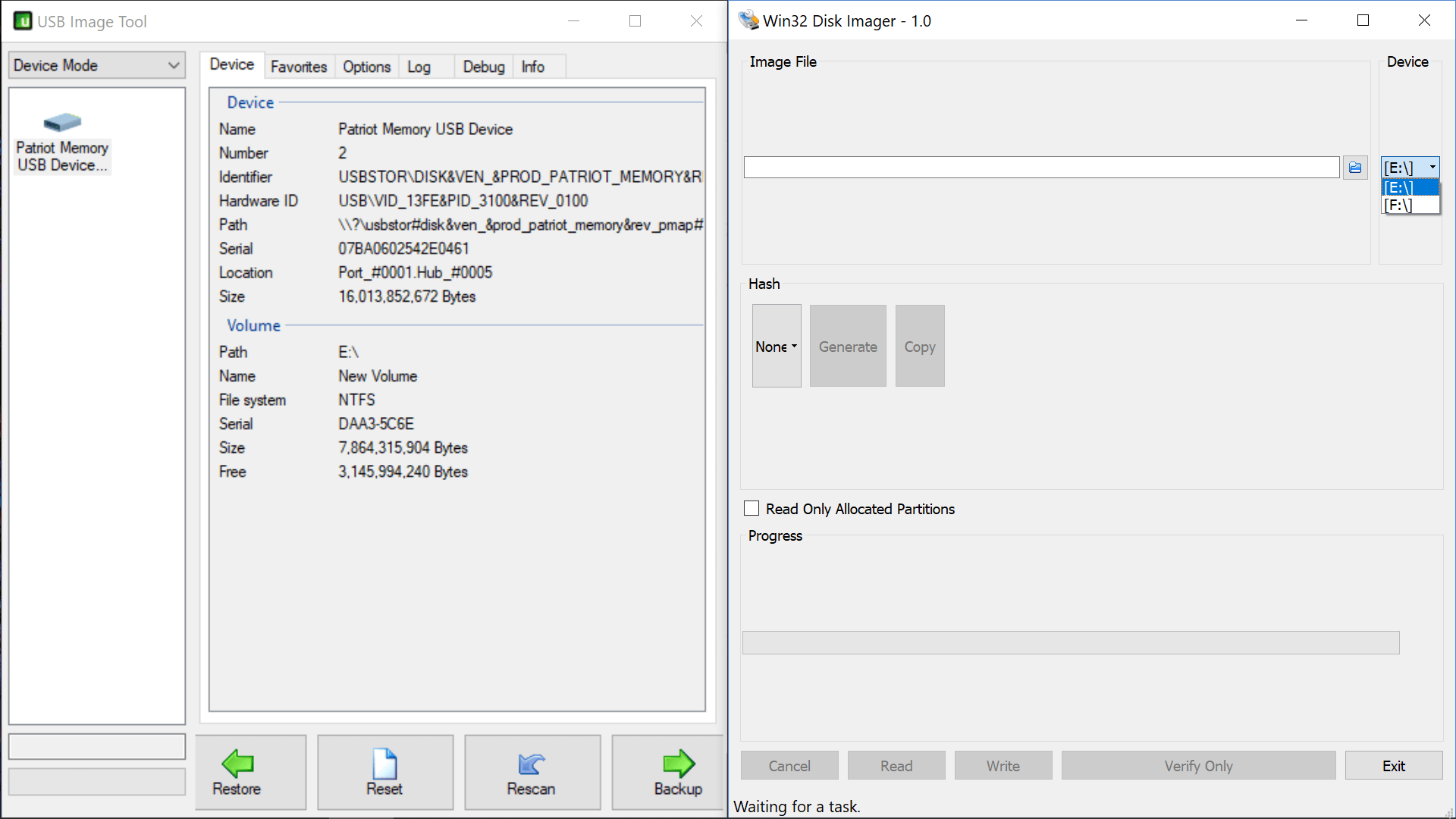
As an alternate to imageUSB, Win32 Disk Imager and USB Image Tool area unit light-weight and may produce and restore pictures of USB drives, however, they do not embody multiple partitions within the same operation/file, listing the partitions singly instead.
Like imageUSB, they solely listed removable devices, therefore, there's token likelihood of the incorrect disk being selected.
Win32 Disk Imager was able to restore Rufus' VHK computer file whereas USB Image Tool could not (the VHK file was too large). USB Image Tool conjointly did not list our drive at many points however typically performed for sure.
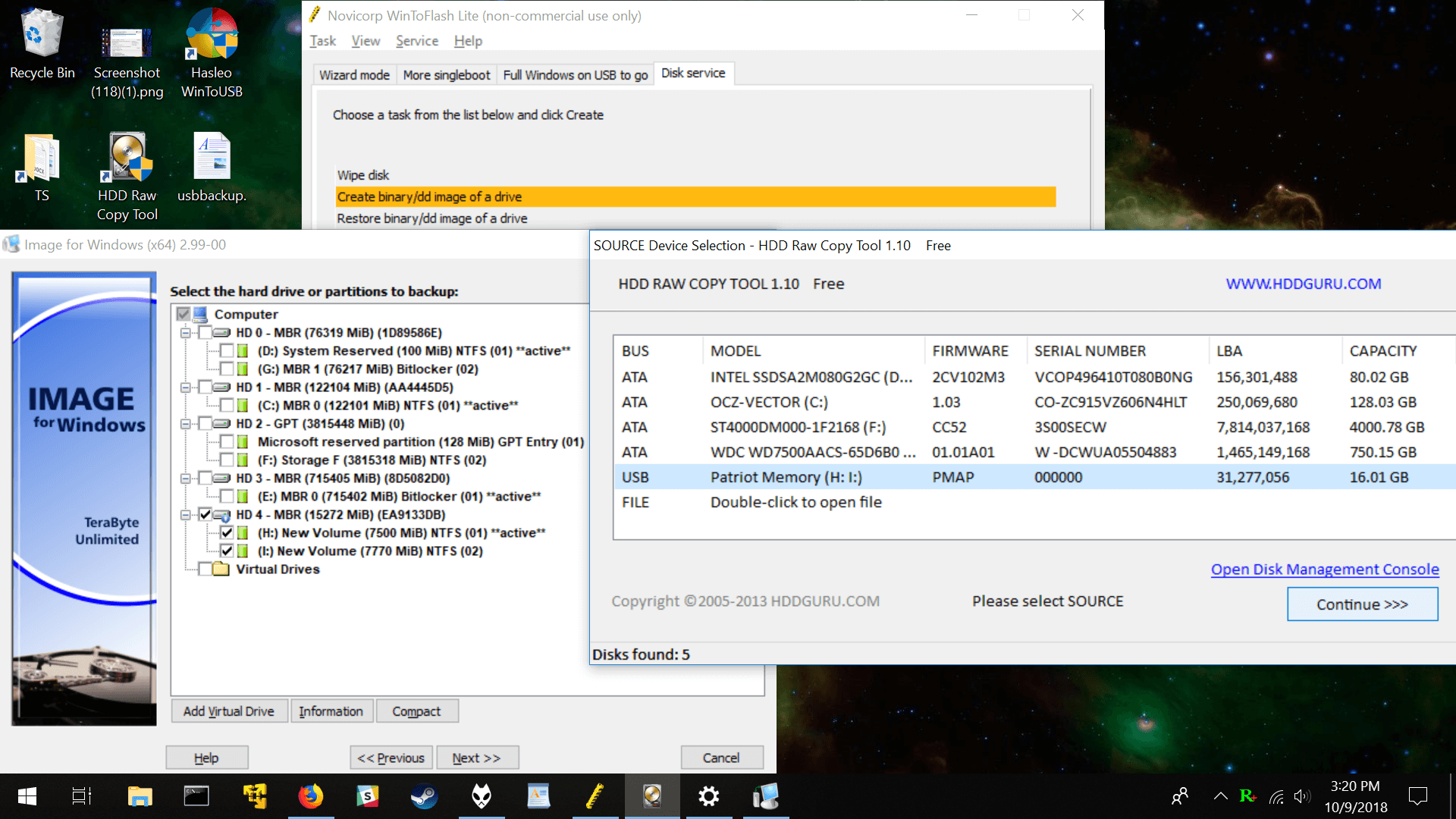
Moving on, HDDRawCopy Tool can list and build pictures of just about any drive kind together with your current C: drive, although we have a tendency to could not notice any inherent technique for restoring the backups after.
Meanwhile, WinToFlash and Image for Windows will each produce and restore backups alongside having alternative options like a Windows to travel drive creation wizard within the former and support for progressive backups within the latter.
Both tools even handle multiple partitions however ultimately lost points for launching with prompts regarding not having been tested with our version of Windows (WinToFlash) and a twenty-second "buy now" advertising (Image For Windows).
Backup and remake a bootable Windows USB install drive
...Without further tools, mistreatment solely Disk Management and File human
If you have got a bootable USB drive with the Windows ten installation media, you'll be able to copy the files from the drive via File human to a different location so move these files back to the thumb drive whereas holding its ability as well. In testing, we have a tendency to saved the Windows ten installation files to a storage drive, reformatted the USB drive, derived the installation files back and therefore the drive would still load on startup.
You can even delete the USB drive volume via Disk Management (search begin or run diskmgmt.msc) and build a brand new volume, as long as you right-click and mark the new partition as active.
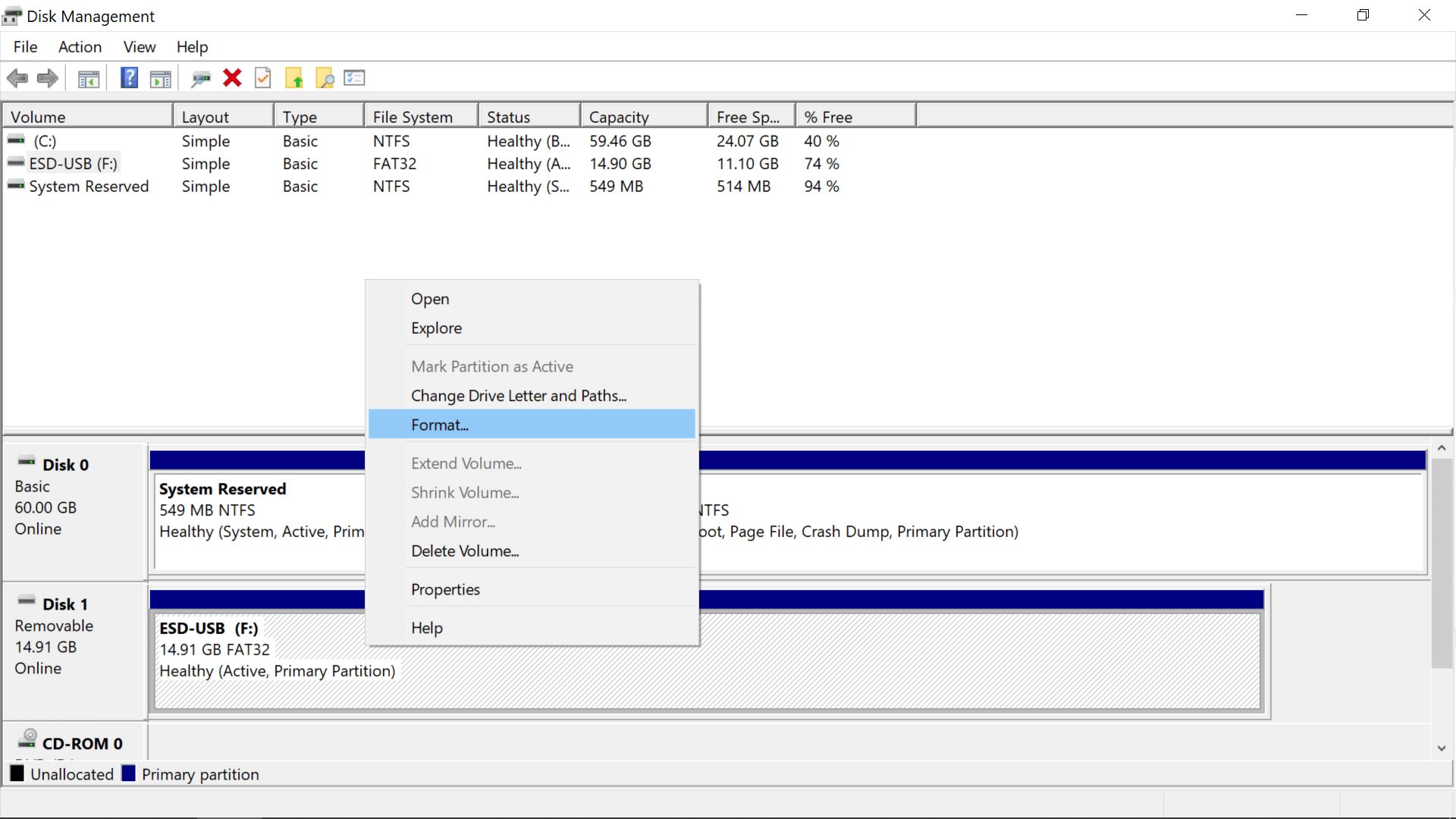
Starting the method with a brand new USB drive, if you produce a brand new volume, a format that volume, assign a letter and mark the partition as active, the drive ought to be prepared Windows installation files to be derived over and will boot.
With a USB drive therein state, you'll be able to extract the files directly from a Windows ten installation ISO to the USB drive via File human rather than mistreatment tools like Rufus to form the bootable installation media.
Also note that as a typical feature in Windows eight and ten, if Windows human is ready because the default program for ISOs, you'll be able to double-click on the file to mount it as a virtual CD/DVD drive rather than putting in third-party tools like Virtual CloneDrive.
Windows ten even includes the power to burn ISO files to a CD/DVD drive within the context menu after you right-click on AN ISO.
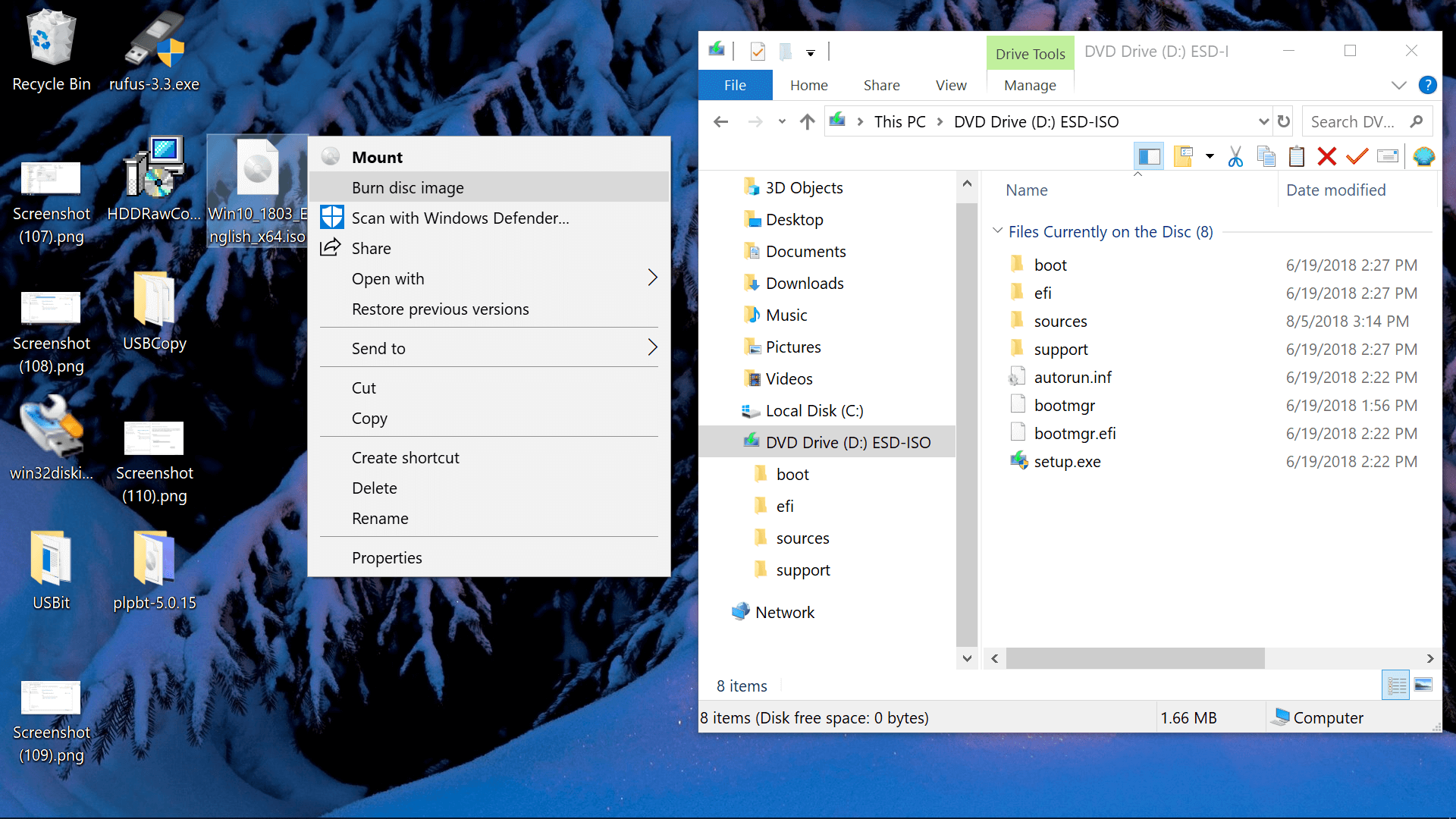
We tested the method of repetition installation files to/from a freshly formatted drive again and again mistreatment each Disk Management/File human and electronic communication alternatives (DiskPart and xcopy/robocopy) with identical results: as long because the USB drive had a vigorous primary partition, we have a tendency to may merely copy the Windows installation files to the drive and it might boot.
To set up a brand new bootable USB drive via DiskPart, open an electronic communication and enter the subsequent lines (change four and F for your setup)
- diskpart
- list volume
- select volume four
- clean
- create partition primary
- select partition one
- format fast fs=ntfs
- active
- assign letter=F
At this time the drive ought to boot and be prepared for you to repeat the Windows installation knowledge, whether or not from AN ISO or files saved from a previous USB drive.
Also note that if you have got enough area on the USB drive, you'll be able to leave the installation knowledge as-is and add new files while not poignant the drive's ability to load or install Windows. therefore as an example, you may produce a folder aboard the Windows ten knowledge with alternative software package installers or media files and this could be accessible via File human like every alternative time.


Post a Comment